
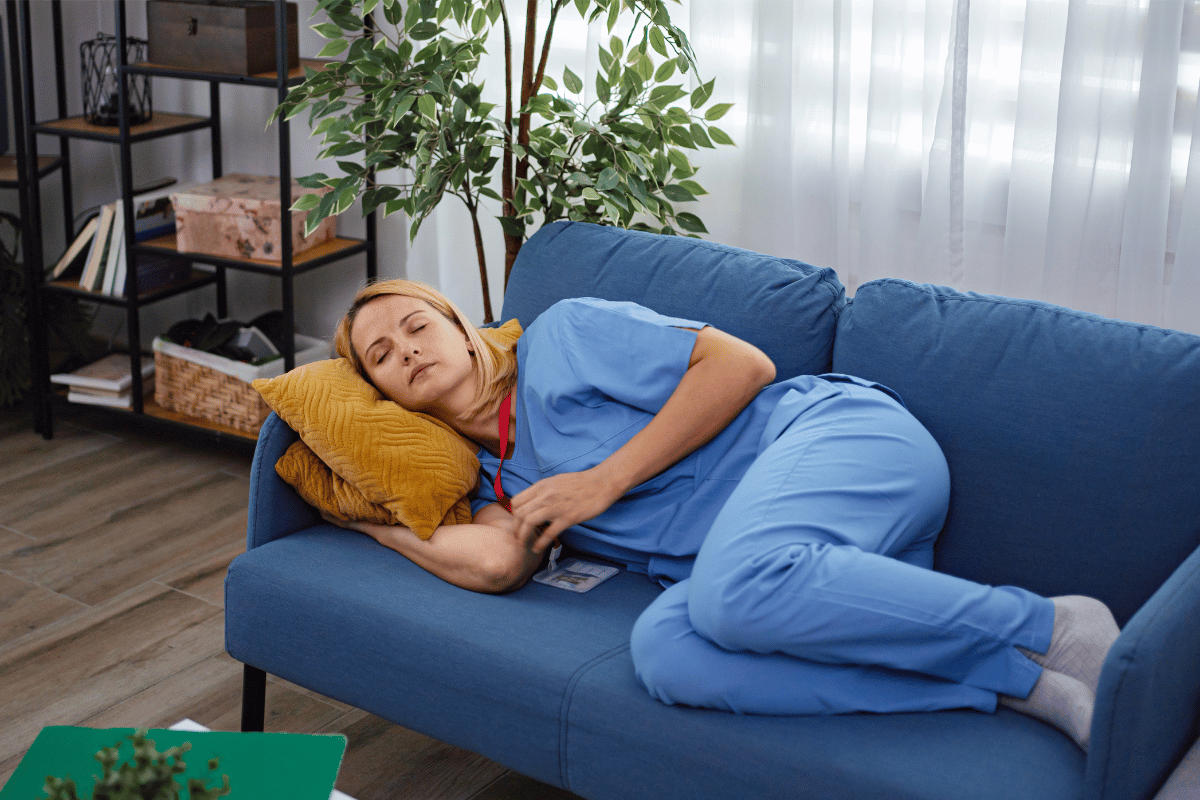
Standing Strong On Long Shifts: Practical Relief Strategies For Nurses
Nursing demands long hours on one’s feet, often with limited breaks and high physical intensity. Prolonged standing can affect comfort, focus, and long-term health, which in turn influences productivity and retention. Addressing these challenges benefits both healthcare professionals and the organizations that rely on their performance.
Footwear Choices That Support Endurance
One of the most direct ways to reduce strain is through appropriate footwear. Shoes with proper arch support, shock absorption, and room for natural foot movement help limit stress on joints and muscles. Many professionals rely on specialized nursing shoes to reduce fatigue during extended shifts. Rotating footwear styles throughout the week can also help distribute pressure differently across the feet.
Smart Movement Throughout the Shift
Standing still for long periods places more strain on the body than gentle movement. Shifting weight from one leg to the other, taking short walks when possible, or performing brief calf raises can improve circulation. When tasks allow, alternating between standing and seated work gives the lower body a chance to recover.
Stretching during breaks also plays a role. Simple ankle rotations, hamstring stretches, and hip flexor movements can reduce stiffness and support joint mobility. These habits may seem small, but over time they contribute to sustained comfort.
Surface and Workspace Adjustments
Hospital floors are often hard and unforgiving. Anti-fatigue mats placed in high-use standing areas can lessen impact on the feet and spine. Workstation height also matters. Adjusting bed heights, supply carts, and charting stations to avoid unnecessary bending or reaching reduces cumulative strain.
Compression socks are another widely used option. They support blood flow in the lower legs, helping to manage swelling and discomfort during long shifts.
Recovery Outside of Work
What happens after a shift matters just as much as what happens during it. Elevating the legs, using cold or warm foot soaks, and maintaining regular physical activity can support recovery. Strengthening core and leg muscles through low-impact exercise helps the body tolerate standing demands more effectively.
Supporting nurses in managing prolonged standing is not just a wellness issue. It is a workforce sustainability concern. Simple adjustments, thoughtful equipment choices, and movement awareness can reduce discomfort, lower injury risk, and help professionals stay focused on patient care over the long term. Check out the infographic below to learn more.