
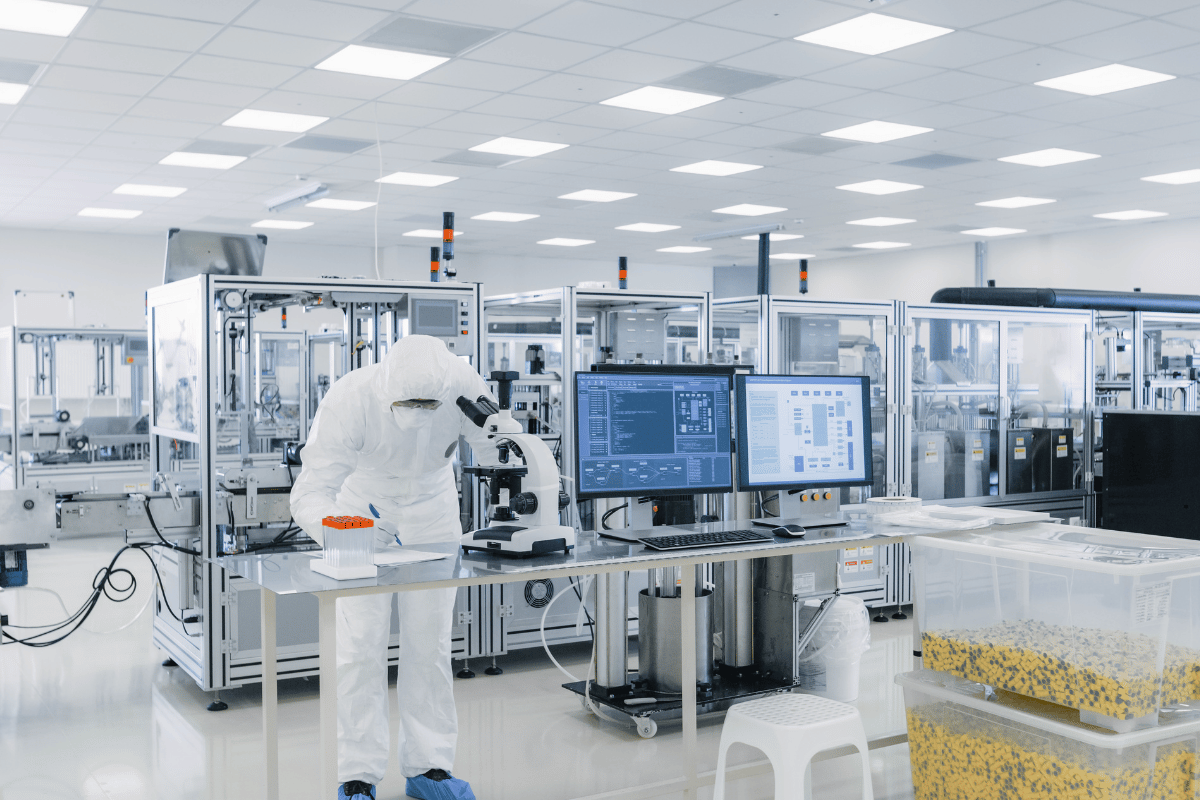
Reducing Micro Mistakes In Medical Manufacturing For Greater Precision
Medical manufacturing demands extremely high accuracy, and even the smallest errors can affect safety, quality, and production timelines. Micro mistakes often start long before final inspection, which is why consistent systems and well-supported teams are essential. Preventing these errors helps maintain reliability and protects patient outcomes.
Why Micro Mistakes Matter
Micro-level errors can occur in measurement, material handling, documentation, or assembly. While individually small, these issues can accumulate across batches or production cycles. They may introduce rework, increase waste, or delay shipment dates. In highly regulated environments, recurring inaccuracies can also jeopardize compliance. Many facilities rely on precision tools, including components such as a stainless steel shim, to maintain consistent spacing and alignment during production. The goal is always the same: to reduce variability and reinforce dependable output.
Strengthening Processes Through Training and Standardization
Human error remains a significant source of micro-level issues. Clear instructions, updated training materials, and defined workflows reduce uncertainty and improve consistency across shifts. Cross-training can help teams recognize early warning signs and understand how their tasks connect to downstream steps. Digital tools also support accuracy by automating documentation or guiding operators through repetitive processes.
Creating a Culture of Quality
Preventing micro mistakes requires more than one-time training or periodic audits. A culture that encourages attention to detail and empowers employees to pause when something feels off can dramatically decrease small errors. Regular feedback loops give workers space to report concerns without fear of slowing production. When teams share accountability for quality, mistakes are caught earlier and corrected with minimal impact on output.
Leveraging Technology for Continuous Improvement
Modern manufacturing systems can provide real-time data that reveals patterns behind recurring issues. Automated sensors, vision systems, and analytics tools help identify deviations before they spread through a production run. This support allows operators and managers to refine processes and maintain accuracy even as demand fluctuates.
Micro mistakes rarely remain small in medical manufacturing. Addressing them through stronger systems, supportive training, and technology-driven oversight helps companies deliver safer, more consistent products while reducing waste and maintaining trust with clients. To learn more, check out the accompanying resource below.