
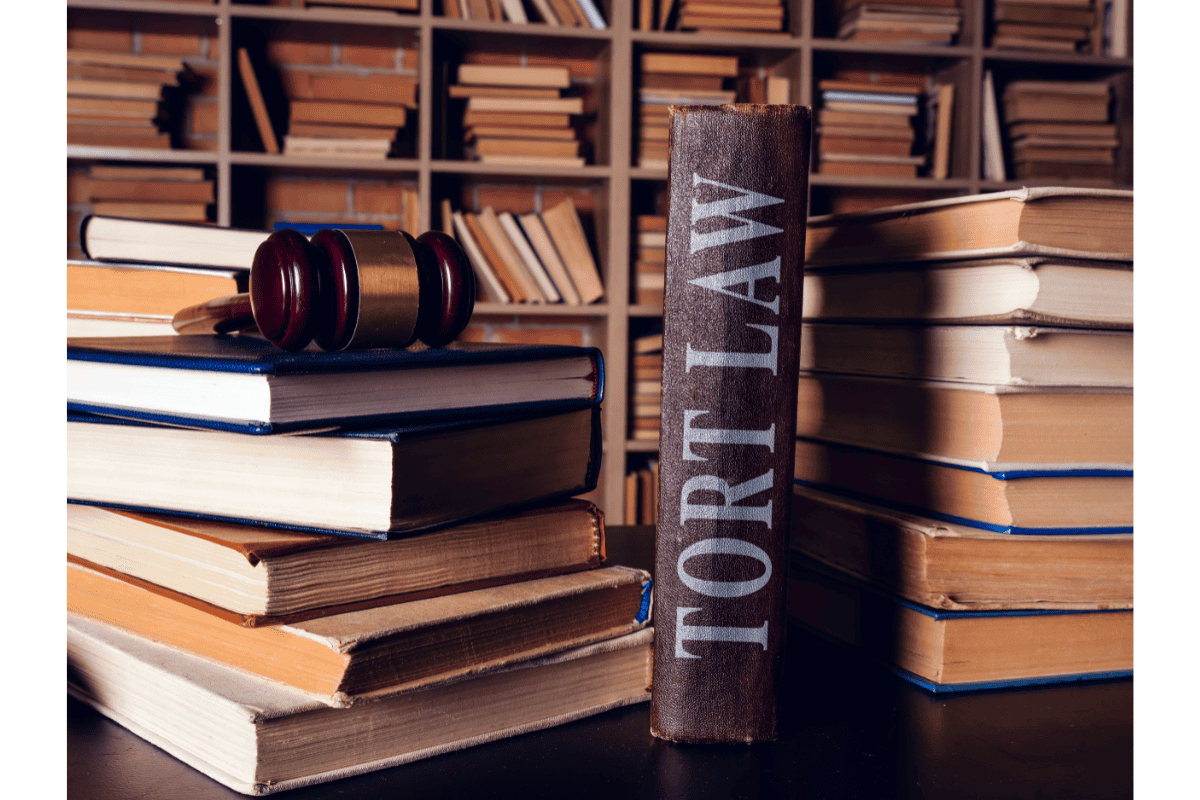
Unpacking Tort Law: Understanding the Basics
Have you ever wondered how the law protects people from harm caused by others? Everyday life is full of situations where someone’s actions can hurt another person.
Sometimes accidents happen, and sometimes harm is no accident at all. When people are injured, or their property is damaged, they often want to know their rights.
Tort law answers these questions. It sets rules for when someone must pay for the harm they cause. By reading this blog post, you will gain a clear understanding of tort law’s key ideas and its role in protecting rights.
What Is Tort Law?
Tort law is a branch of civil law that addresses situations where one person’s actions harm another. It covers many events, from car accidents to property damage.
Tort law helps people get compensation for their injuries or losses. Unlike criminal law, tort law focuses on resolving disputes between individuals. The goal is to protect people’s rights and help them recover from harm.
Main Types of Torts
There are three main types of torts: intentional torts, negligence, and strict liability. Intentional torts happen when someone hurts another person on purpose, like hitting or stealing.
Negligence is the most common type of tort and occurs when someone is careless and causes harm. Strict liability applies when someone is responsible for harm, even without intent or carelessness, such as with defective products.
Negligence: The Most Common Tort
Negligence means failing to take reasonable care and causing injury or damage. For example, a driver who ignores a red light and hits a pedestrian may be negligent.
There are four elements in a negligence claim: duty, breach, causation, and damages. To win a case, the injured person must prove all four. Negligence cases often shape the rules for safety and responsibility in society.
How Claims Are Resolved
Most tort claims are settled outside of court, through negotiation or mediation. This helps people avoid long and costly court battles.
Sometimes, parties cannot agree and must go to trial. Judges or juries then decide if someone is legally responsible and what compensation is fair. The process aims to make injured people whole and resolve disputes peacefully.
Compensation and Remedies
Victims of torts can receive different types of compensation, also called damages. These can include money for medical bills, lost wages, pain, and suffering.
In rare cases, courts may order extra payments, called punitive damages, to punish bad behavior. Remedies help victims recover and move forward. Fair compensation is a key part of making up for harm.
Why Tort Law Matters
Tort law encourages people to act safely and respect others’ rights. It also gives victims a way to seek justice and hold wrongdoers accountable.
For example, in the Equibit-Godard case, courts showed how tort law can protect individuals and set clear rules for everyone. By understanding tort law, people can better protect themselves and resolve disputes.
Exploring Tort Law’s Everyday Impact
Tort law protects people when accidents or wrongs happen. It explains how to handle harm and seek fair solutions. Understanding these rules helps everyone make safer choices.
Tort law also helps victims recover and get justice. These important legal ideas shape everyday actions. Learning about tort law makes it easier to know your rights.
Did you like this guide? Great! Please browse our website for more!