Why are Villas in Gated Communities Often Preferred by Returning NRIs?
For many Non-resident Indians (NRIs) planning a return to India, homeownership is tied to stability, comfort, and long-term lifestyle security. Over the years, villas in gated communities have emerged as a preferred residential choice among returning NRIs. These homes align closely with global living standards while responding to local needs around safety, community, and wellness.
Returning NRIs often seek residences that minimise daily stress and maximise quality of life. From planned landscapes to integrated social spaces, villas in gated communities offer an environment that feels organised and future-ready.
Keep reading to know why these villas are ideal homes for NRIs.
A Lifestyle That Reflects Global Living Expectations
One key reason villas in gated communities appeal to NRIs is familiarity. Many have spent years in countries where residential communities offer shared green spaces, wellness zones, and recreational facilities as standard. Gated villa developments in India increasingly mirror these expectations through carefully planned outdoor and indoor amenities.
Features such as yoga and meditation lawns, reflexology pathways, and elevated seating nooks support daily wellness routines. Landscaped spaces, including tropical forests with teak plantations, Miyawaki forests, and therapeutic gardens, create a calm setting that contrasts with dense city living. For returning NRIs, these elements help ease the transition back to India while maintaining a lifestyle they value.
Community Living Without Compromising Privacy
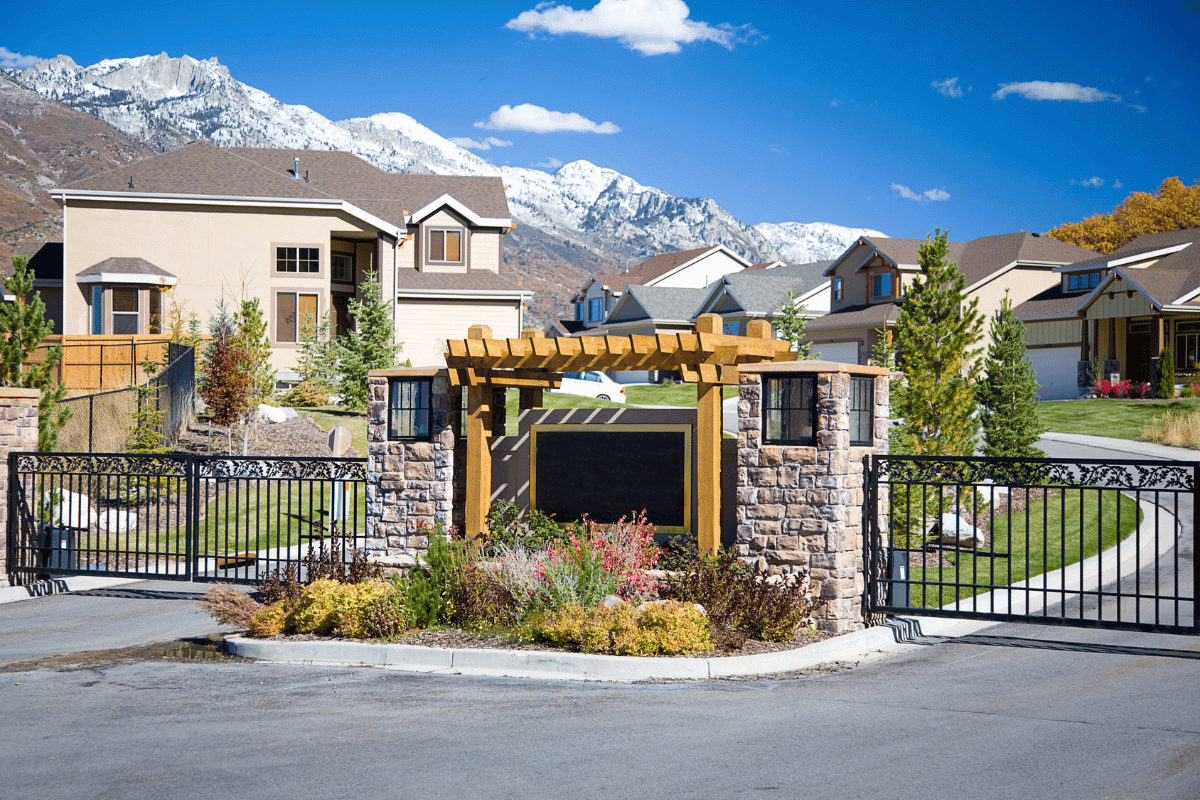
Privacy remains a strong consideration for homebuyers who have lived overseas. Villas in gated communities strike a balance between independent living and shared experiences. Individual villas provide personal space, while common zones encourage interaction at one’s own pace.
Plaza seating, labyrinth seating courts, canopy seating, and tree cloisters create informal social touchpoints. At the same time, features such as aqua ponds, water sculptures, and shaded decks allow residents to enjoy solitude within shared landscapes. This balance is often harder to achieve in dense apartment formats or standalone houses, making villas in a gated community a practical middle ground.
Designed Spaces for all Age Groups
Returning NRIs often relocate with extended families, which increases the importance of multi-generational planning. Villas in gated communities typically include amenities designed for children, adults, and seniors, reducing the need to travel for everyday recreation.
Dedicated kids’ zones include toddler play areas, trampoline spaces, chalkboard walls, rain dance floors, and adventure play lawns. Senior citizen courts, seating pavilions, and therapeutic gardens support relaxed routines for older residents. These thoughtfully segmented spaces make villas in gated communities suitable for families seeking long-term comfort rather than temporary accommodation.
Wellness and Recreation as Daily Priorities
Another reason NRIs lean towards villas in gated communities is the emphasis on wellness-driven infrastructure. Fitness and recreation are no longer seen as add-ons but as integral parts of residential planning.
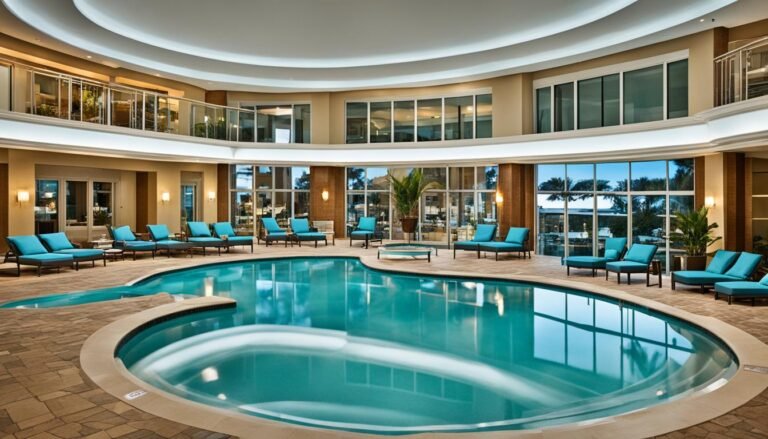
From outdoor gyms, jogging trails, and rock climbing walls to indoor fitness zones with yoga, aerobics, boxing, and aerial yoga, these communities support varied fitness preferences. Swimming pool zones often include adults’ edge pools, kids’ pools, plunge pools, island cabanas, and poolside seating. This diversity encourages regular activity without relying on external clubs, reinforcing the appeal of villas in gated communities.
Entertainment and Social Infrastructure Within Reach
Social interaction plays an important role for NRIs rebuilding local networks after returning. Villas in gated communities support this need through structured entertainment and gathering spaces.
Amenities such as amphitheatres with stages, outdoor cineverse areas, barbeque zones, campfire spaces, and party lawns provide venues for celebrations and casual meet-ups. Indoor clubhouses extend this experience with mini theatres, board game lounges, karaoke rooms, arts and dance studios, and co-working spaces. This integrated approach allows residents to socialise organically, strengthening community ties within villas in gated communities.
Active Living Supported by Sports Infrastructure
Sports and outdoor activities are often ingrained habits for NRIs, making access to proper facilities an important factor. Villas in gated communities increasingly feature well-planned sports zones that cater to a range of interests.
Cricket practice nets, tennis courts, basketball courts, mini soccer fields, skating rinks, and golf putting greens support regular play. Multipurpose courts designed for volleyball, kabaddi, and kho kho encourage community participation. For families, these facilities promote active lifestyles while keeping children engaged within secure premises, adding to the long-term value of villas in gated communities.
Practical Facilities That Simplify Daily Life
Beyond lifestyle amenities, everyday convenience plays a major role in decision-making. Villas in gated communities typically include essential facilities such as convenience stores, clinics, ATMs, guest rooms, association offices, and electric vehicle charging points.
These additions reduce dependency on external services, which is especially valued by NRIs adjusting to local systems. Many duplex houses in Chennai also offer a structured approach to daily living, which appeals to homebuyers seeking predictability and ease.
Making the Right Choice for Your Home
The preference for villas in gated communities among returning NRIs reflects changing expectations around housing. These homebuyers prioritise quality of life, security, wellness, and long-term value over short-term trends. The comprehensive planning seen in such developments aligns with global residential standards while remaining rooted in local contexts.
Interest in gated villa communities continues due to their integrated approach to living. For homebuyers evaluating future-ready residential formats, communities developed by builders such as Casagrand can be considered as part of a well-informed homeownership journey.