The Impact of AI and Automation in Software Project Management
Project management is tough these days because software projects have to meet strict deadlines, have teams that work in different places, and are constantly being asked to do more. Robots and artificial intelligence are affecting the experience in this way.
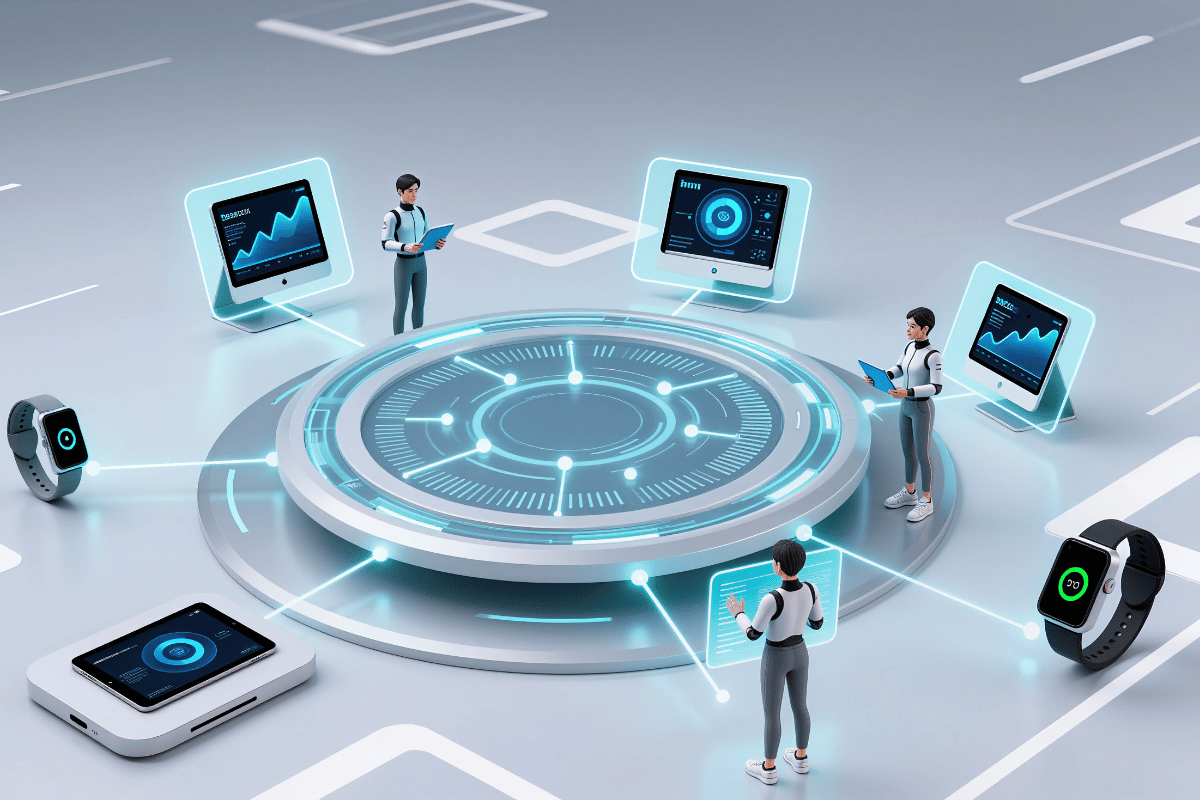
Over 80% of IT companies already use or plan to adopt AI-powered tools to improve project management. By 2027, 70% of routine project management tasks are expected to be automated, saving teams time and reducing errors. Integrating these AI capabilities with cloud PBX phone systems further streamlines communication and collaboration, enhancing overall project efficiency.
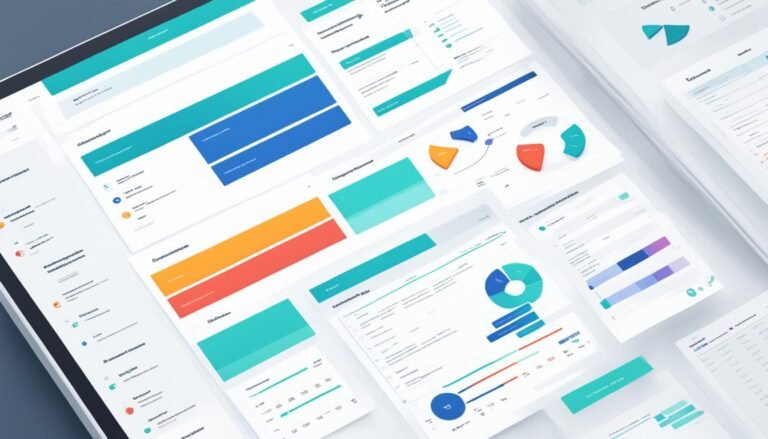
Systems with AI can now predict risks, make reports automatically, and use resources most efficiently. When project managers use data to make decisions, they don’t have to wait for problems to happen to make choices.
By turning project management from a mindless process into a proactive, innovative system that helps teams get better results faster and with fewer mistakes, AI is making the process quicker and smarter.
#1. Better scheduling and planning
The most time-consuming thing for managers to do is plan projects. AI tools can now look at data from past projects, guess how much work will be needed, and even suggest the best ways to plan things.
In this case, AI-based organizing software guesses how long tasks will take and what resources the team will need based on how well they performed in previous years. It can change project schedules instantly if there is a delay or move tasks about if a developer isn’t available.
This saves time, makes forecasts more accurate, and keeps projects on track, even if goals change.
#2. Automated Assignment of Tasks
With AI, you don’t have to guess who should do what. Intelligent assignment of duties is possible with automation tools that look at team members’ skills, availability, and present workload. similar to how Unicommerce automatically allocates orders and inventory for optimal efficiency.
The AI system will automatically give related positions to a developer who is good at frontend frameworks and has time this week. As a result, everyone on the team will have the same amount of work to do and be more productive.
It also opens up project managers to make big decisions instead of being too involved in the details of small tasks.
#3. Constant Monitoring of Development
Meetings, notes, and reports are needed all the time for traditional project tracking. With software, you can now see how a project is going in real time.
AI-powered panels get information about the health of a project from tools like version control, teamwork, and time tracking to give a current view.
If a sprint is behind plan, the system can let the manager know and offer ways to fix the problem, like moving resources nearby or changing priorities.
This kind of proactive tracking helps keep minor issues from growing into big problems that slow things down.
#4. Better handling of risks
It’s possible for a software project to miss its goals, grow too big, or accumulate too much technical debt. AI can look at past data to figure out what risks might happen before they do.
To avoid problems, managers can use these predictive insights to do things like add more testing time or make the best use of workers’ workloads.
AI used for project risk analysis has cut cost overruns by up to 23% and scheduling delays by 17%, according to PMI’s 2024 research.
Teams don’t have to wait for problems to happen to make better, data-based choices when AI is used for foresight.
As automation becomes central to project success, professionals can stay ahead by choosing the right learning path. Enrolling in a digital marketing training program or a specialized SEO training course helps project managers understand how automation, analytics, and optimization strategies connect across industries. These insights make it easier to align project efficiency with digital visibility and growth goals.
#5. Better teamwork and communication
Chatbots and virtual helpers, which are AI-based conversation tools, are making it easier for teams to work together.
When a project manager asks the AI bot, “What’s the current status of Module X?” it gets immediate responses right away.
In addition to saving hours of time writing reports by hand, automation also helps make meeting recaps, status reports, and progress updates happen instantly. Also, AI translation tools help teams working in different countries communicate clearly, even though they cannot communicate in the same language.
#6. Quality Assurance and Testing Automation
One of the most boring and important parts of making software is testing. AI-powered automation tools can now run thousands of test cases, find bugs, and even suggest ways to fix the code.
Machine learning models look at bugs that have already happened to find trends that can be used to guess where new problems will likely occur.
Up to 40% less time is spent on human QA tasks when automated testing is used. Accuracy and consistency also improve. This lets teams work on new ideas instead of just checking things over.
#7. Better management of resources
The key to a successful project is good management of both people and technical tools. AI tools help keep resources from being overworked or underused by giving data-driven views into how they are used.
As an example, automation systems can find developers who have too many assignments or resources that aren’t being used and move them to other activities.
These ideas will help software teams be more productive and keep people from getting burned out, which is one of the most significant problems they face right now.
Case studies that show how it works in real life
AI and automation are already making a big difference in how many top companies handle their software projects. These examples show how AI is slowly but surely becoming a big part of the daily work of development teams, making them more productive, accurate, and open to new ideas.
- IBM uses tools powered by AI to predict project delays and improve processes, which cuts delivery time by 30%.
- Atlassian’s Jira Software now has machine learning built in to help with planning sprints and suggesting project themes.
- Microsoft’s DevOps tools use AI to find strange code early on, which stops expensive production problems before they happen.
- AI-powered iTrust platform enhances penetration testing with deeper risk intelligence, combining expert insight with smarter remediation for faster, stronger cybersecurity outcomes.
What AI is doing to change software projects
AI-driven tools are already showing useful in many fields. Shadcn AI helps software development teams predict when projects will be delivered, find bugs in the code early, and run sprint cycles more efficiently.
IT service companies use technology to plan their resources, handle problems, and assess their success.
Predictive models help startups plan for project risks, set priorities for tasks, and stay flexible even when they don’t have a lot of employees.
These cases show that AI isn’t just an idea for the prospective; it’s an honest answer that’s changing the way projects are done right now.
Upcoming Developments
Project management will move toward automated settings in a few years as AI and automation are combined. A platform of the future will incorporate machine learning, natural language processing, and voice-based tools to make doing work as easy as conversing with someone.
We are currently in the process of transitioning to a reality in which AI not only responds to instructions but also actively collaborates, predicting challenges, suggesting innovations, and constantly learning from previous projects. People will set the strategy, while AI will handle accuracy and speed.
The market for AI in project management is projected to grow to more than $5.5 billion by 2027, because of increasing demand for innovative tools and predictive analytics.
Wrapping It Up
From reactive control to proactive intelligence, AI and technology are changing the way software project management is done. Giving teams the tools to think smarter, act faster, and get better results is what gives them the absolute superiority, not just being more efficient.
The best projects in the coming years won’t be those that are run by machines or people by themselves, but by the powerful combination of the two.