
Building A Global Gaming Brand That Scales With Confidence
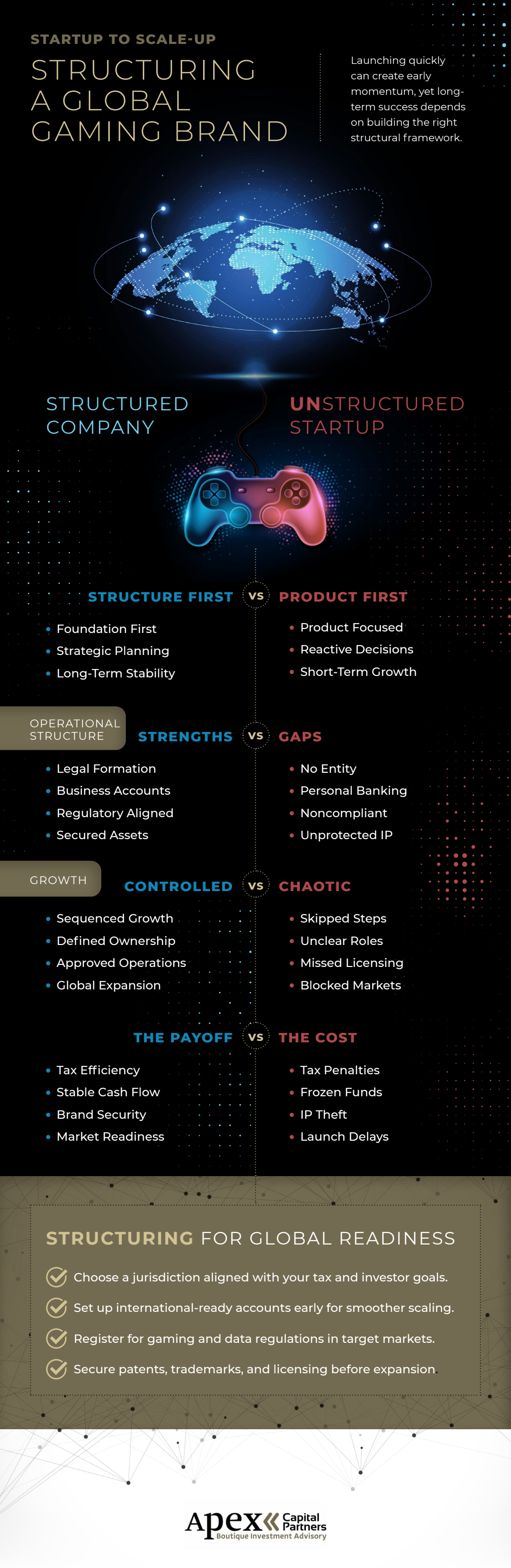
Launching a gaming brand in the casino and slots space requires more than creative games and a polished interface. Long-term success depends on building a structure that can support growth across regions, regulations, and customer expectations. From early planning to global expansion, thoughtful foundations allow a gaming brand to scale without losing control or credibility.
Establishing the Core Brand Identity
At the startup stage, clarity matters. A global gaming brand needs a defined identity that communicates trust, entertainment value, and fairness. This includes consistent visual elements, tone, and player experience across platforms. Early decisions around branding should account for cultural differences in markets where expansion is likely. Colors, symbols, and messaging that resonate locally can strengthen adoption while maintaining a unified global presence.
Regulatory Readiness From Day One
Gaming brands operate within strict legal frameworks that vary by country and region. Structuring compliance early reduces friction during expansion. This includes building internal processes for reporting, player verification, and data protection. Securing an iGaming license at the appropriate stage signals operational seriousness and opens doors to regulated markets that support sustainable growth.
Working with legal and compliance advisors during the startup phase helps avoid costly restructuring later. Systems should be flexible enough to adapt as regulatory requirements shift across jurisdictions.
Scalable Technology and Operations
Technology choices shape how well a gaming brand grows. Platforms should support increasing player volumes, multiple currencies, and language options without performance loss. Modular system design allows teams to add new games, payment methods, or regions without rebuilding core infrastructure.
Operational teams also need room to grow. Clear roles, documented workflows, and performance tracking support consistency as headcount increases. Customer support systems should scale alongside player growth to maintain service quality.
Data, Security, and Player Trust
As a gaming brand expands, data becomes both an asset and a responsibility. Secure data handling practices protect player information and support compliance. Analytics tools help track player behavior, game performance, and market trends, informing decisions about product development and regional focus.
Structuring a global gaming brand for scale is about discipline, foresight, and adaptability. Strong identity, early compliance planning, scalable technology, and trust-focused operations create a framework that supports growth while protecting the brand as it moves from startup to global contender. Check out the infographic below for more information.