
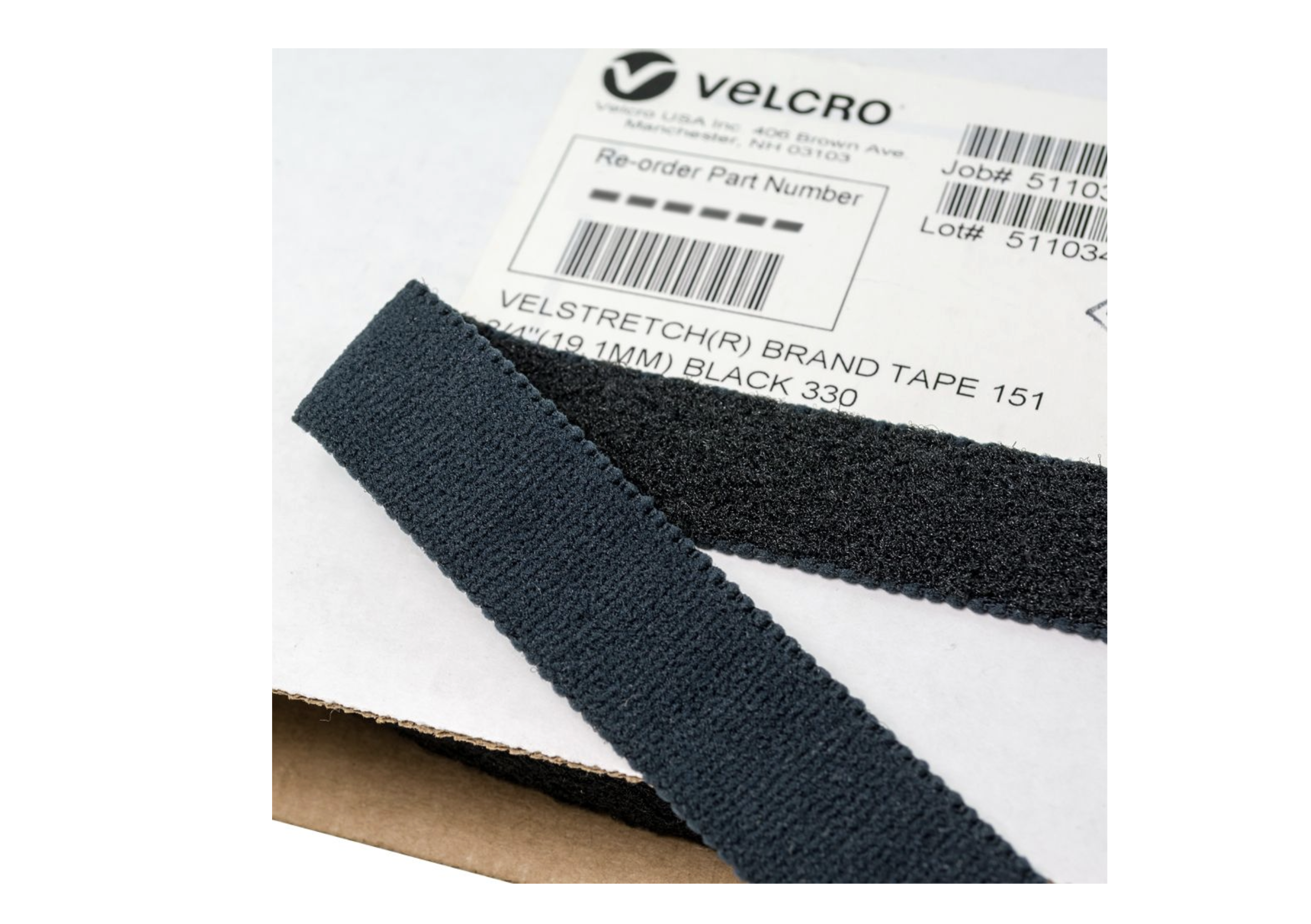
Best Uses for Elastic Hook and Loop Straps
When most people think about elastic hook and loop straps, they picture a simple tool for bundling cords or securing gear. Useful, yes. Exciting, maybe not. But if you look at them through the lens of problem solving, they start to feel less like a basic accessory and more like a quiet hero of everyday life.
In fact, the real power of a stretchable strap is not just that it fastens things together. It is that it adapts. It stretches, contracts, and grips securely without requiring complicated hardware. In situations where size, tension, and movement vary, that flexibility makes all the difference.
Rather than listing random uses, it is more interesting to look at the types of challenges these straps solve. Anywhere you need secure fastening with room for adjustment, elastic hook and loop straps tend to shine.
Managing Movement Without Losing Security
One of the biggest advantages of elastic hook and loop straps is their ability to hold objects that shift or vibrate. Think about items stored in a vehicle. Emergency kits, tools, or sports equipment rarely sit perfectly still. A rigid strap may either loosen over time or clamp down too tightly, causing wear.
An elastic strap absorbs movement. It maintains tension as objects expand, contract, or jostle. This makes it ideal for securing first aid kits in cars, boats, or recreational vehicles. The Centers for Disease Control and Prevention emphasizes the importance of keeping emergency supplies accessible and organized in vehicles and homes. Their guidance on emergency preparedness highlights how proper storage reduces risk during stressful situations. You can review their recommendations through the CDC emergency preparedness resources.
In these cases, the strap acts like a buffer. It keeps equipment in place without crushing it.
Organizing Cables in Dynamic Workspaces
Cable management is another area where elasticity matters more than people realize. In offices, studios, and home workspaces, devices are frequently plugged in and unplugged. Cable bundles grow and shrink over time. Traditional ties often need to be cut and replaced.
Elastic hook and loop straps adjust to these changes. You can wrap them around a small bundle of charging cables today and expand the same bundle tomorrow without replacing the strap. This adaptability reduces waste and saves time.
In professional audio or video setups, where cables may be coiled and uncoiled daily, elastic fastening prevents strain on connectors. By allowing slight give, the strap reduces pressure points that could damage insulation or internal wiring. Over time, this can extend the lifespan of expensive equipment.
Securing Medical and Fitness Equipment
Another strong use case is in health and fitness environments. Items such as resistance bands, rolled yoga mats, and portable therapy devices vary in thickness depending on how tightly they are wrapped. A fixed length strap may not accommodate these differences.
Elastic hook and loop straps conform to the shape and size of the object. They provide a snug fit without restricting airflow or creating sharp compression lines. In rehabilitation settings, adjustable fastening is especially important. According to guidance from the National Institutes of Health on injury recovery and home therapy routines, equipment should be secured safely while still allowing for easy adjustment as conditions change.
Elastic straps allow caregivers and patients to secure supports, wraps, or lightweight braces without complex buckles or knots. They are simple to operate, which is helpful when dexterity is limited.
Adapting to Outdoor Conditions
Outdoor gear presents a different challenge. Backpacks, tents, and camping supplies are often exposed to changing weather. Moisture, heat, and cold can cause materials to expand or contract. A fastening solution that cannot adapt may either loosen or become overly tight.
Elastic hook and loop straps accommodate these subtle changes. They are useful for bundling tent poles, securing sleeping pads, or attaching lightweight tools to a pack. Because they can be readjusted quickly, they are ideal for hikers who need to access and resecure items throughout the day.
Their flexibility also helps distribute tension more evenly. Instead of concentrating force in one narrow point, the elastic material spreads it across a slightly wider area. This can reduce wear on fabric and extend the life of outdoor gear.
Stabilizing Items in Storage
Storage scenarios often involve items that are not uniform in size. Holiday decorations, seasonal clothing, and craft supplies may be stored in containers that shift slightly when moved. Elastic hook and loop straps can secure smaller groups of items within larger bins.
For example, wrapping extension cords with an elastic strap keeps them from tangling. Securing stacked cutting boards or folded table legs prevents sliding during transport. The ability to adjust tension ensures that the strap fits snugly without damaging delicate surfaces.
This is particularly useful in shared storage spaces such as garages or workshops, where items are frequently reorganized. Instead of buying multiple strap sizes, one adjustable solution can handle different diameters and shapes.
Supporting Creative and DIY Projects
Elastic hook and loop straps are also valuable in creative settings. Makers and hobbyists often prototype projects that change shape during development. Whether building a temporary display, organizing materials for a craft fair, or assembling a photo backdrop, flexibility is key.
Because these straps are reusable and easy to reposition, they allow for experimentation. You can tighten, loosen, or relocate them without tools. That makes them perfect for temporary installations or setups that need to evolve.
In classrooms or workshops, they are also safer than rigid fasteners. There are no sharp edges or metal parts that could cause injury. The soft surface and adjustable tension provide security without adding unnecessary risk.
Why Elasticity Changes the Game
At first glance, a hook and loop strap may seem interchangeable with any other fastener. But elasticity transforms its function. It introduces adaptability into environments where conditions are rarely static.
Objects shift. Sizes vary. Loads change. Human needs evolve. Elastic hook and loop straps accommodate these variables without requiring constant replacement. They create a balance between firmness and flexibility that rigid solutions cannot match.
When you start looking at fastening as a dynamic challenge rather than a static one, the best uses for these straps become obvious. They excel wherever stability must coexist with movement, and where adjustability is not just convenient but necessary.
That is what makes them so useful. They are not just tools for tying things down. They are tools for keeping up with change.